Episode 23

June 28, 2026

00:09:52

7 Trauma Recovery Truths from a Somatic PTSD Therapist and War Survivor

7 Trauma Recovery Truths from a Somatic PTSD Therapist and War Survivor
Exiled & Rising: Trauma Recovery & Somatic Healing
7 Trauma Recovery Truths from a Somatic PTSD Therapist and War Survivor

Jun 28 2026 | 00:09:52

/

Show Notes

When you survive wars truths are easy to spot. In this reflective episode, Ana Mael shares a series of powerful trauma recovery truths and nervous system insights drawn from her work as a somatic experiencing therapist for PTSD and trauma recovery, as well as from her own lived experience.

These contemplative reflections are designed to be journaled with, brought into therapy sessions, discussed in support groups, and slowly sat with.

In this episode, Ana explores:

  • why trauma recovery is not endless optimization
  • how survival strategies eventually become limitations
  • hypervigilance, overthinking, over-planning, and over-controlling
  • why grief is not regression but integration
  • the fear of stillness in trauma survivors
  • emotional freezing and high-functioning trauma
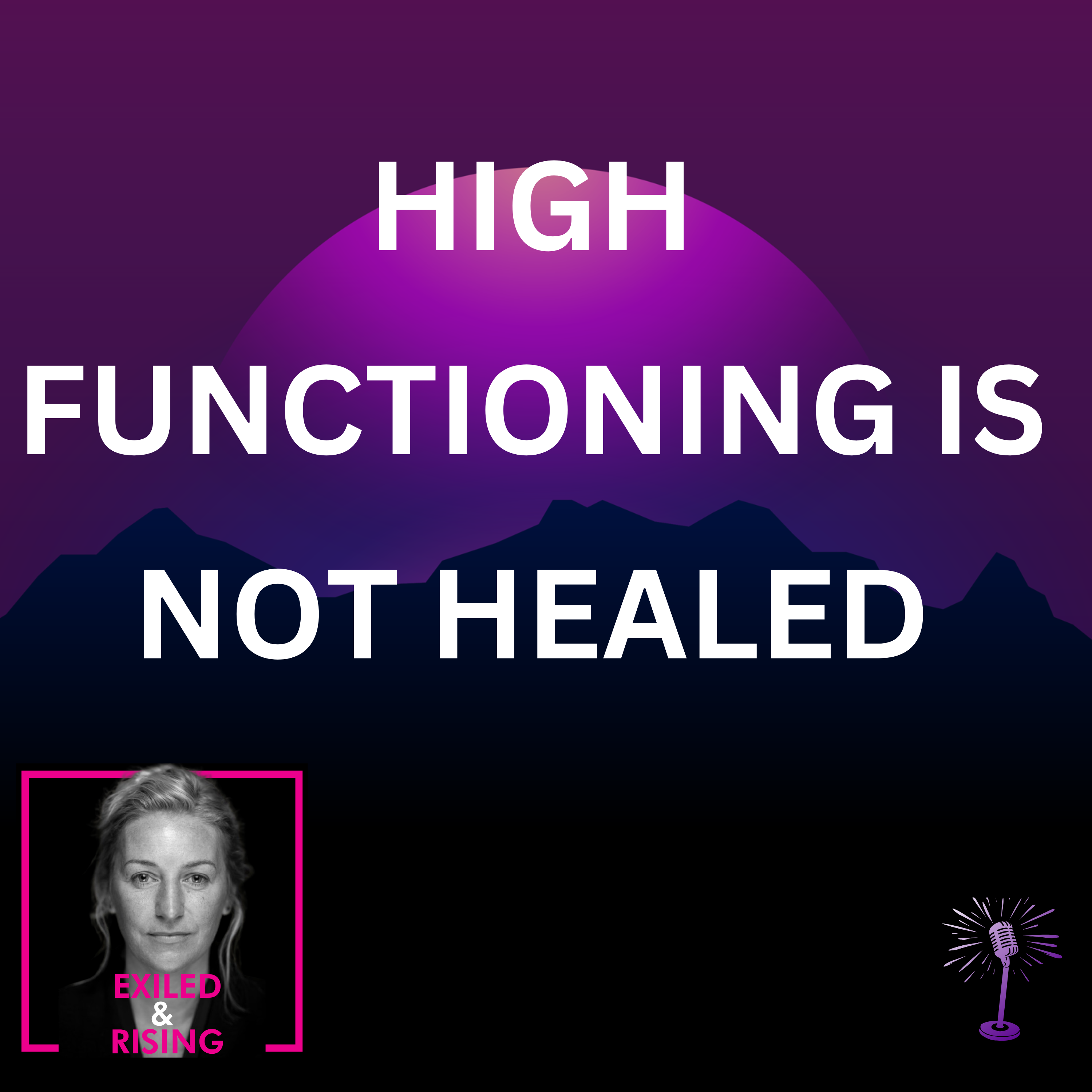
  • functioning versus true healing
  • why rest is biological necessity for nervous system recovery
  • grief, heartbreak, and devastation as normal human experiences
  • slowing down after trauma and PTSD
  • how the nervous system moves from survival into healing
  • somatic reflections on grief, healing, and recovery

This episode speaks deeply to:

  • trauma survivors
  • people living with PTSD or CPTSD
  • highly functioning individuals
  • those exhausted from survival mode
  • therapists and mental health professionals
  • anyone navigating grief, emotional exhaustion, burnout, nervous system dysregulation, or healing after trauma

Key themes include:
trauma recovery, PTSD healing, somatic experiencing, nervous system regulation, grief and trauma, emotional healing, complex PTSD, high-functioning trauma, trauma therapy, survival mode, hypervigilance, emotional exhaustion, trauma-informed healing, grief integration, nervous system healing, healing beyond survival, emotional regulation, somatic trauma therapy, burnout and trauma, healing and rest, trauma podcast, trauma education, emotional overwhelm, and mental health recovery.

This episode is an invitation to slow down, reflect, and remember:

Healing is not another performance system.

And functioning is not always healing.

Chapters

  • (00:00:01) - Anna Miles on PTSD and Trauma Recovery
  • (00:00:48) - Five Rules of Trauma Recovery
  • (00:08:18) - Post-Trauma Recovery: Be with Yourself

View Full Transcript

Episode Transcript

[00:00:01] Welcome to Excellent Rising. I'm, um, Anna Miles, Somatic experiencing therapist for PTSD and trauma recovery. I run Somatic Trauma Recovery center in Toronto, Canada. [00:00:11] Today I want to leave you with a couple of statements you can contemplate on, you can take to your therapist, you can journal, And many of these insights you can find in my book the Trauma We Don't Talk About. [00:00:32] And also all those insights are coming up with my work with clients, uh, in PTSD and trauma recovery and through my own lived experience. So more about me, please go to the Somatic Trauma Recovery Center. [00:00:48] So let's begin. [00:00:56] Number one, Trauma recovery is not endless optimization. [00:01:09] Your healing is not another performance system. [00:01:20] Let it land. [00:01:30] Second, survival strategies eventually become limitations. [00:01:41] What protected you once, uh, later in life will exhaust you. [00:01:52] Once adaptive, now maladaptive. [00:02:02] And those survival strategies are over controlling, over planning, hypervigilance, Over anticipating. 247 overthinking brilliant survival strategies. [00:02:31] We are using them after trauma passed. [00:02:39] They do become adaptive. [00:02:44] Third, grief is not regression. [00:02:51] Grief is integration, grieving, weeping, mourning is not you. Regressing is not you. Spinning is not you going down the rabbit hole. [00:03:14] It is a natural cycle of living. [00:03:18] Grief is natural, normal emotion. [00:03:27] Our culture never normalized grief because it's very powerless place to be and yet it is part of our lives. [00:03:49] Fourth, stillness is terrifying because grief lives there. [00:04:06] And feelings can be felt so deeply in a place of stillness. [00:04:15] And uh, many people fear stopping because pain emerges in silence. [00:04:23] Grief emerges in silence, but also, ah, joy emerges in silence. [00:04:40] Fifth, functioning is not the same as healing. [00:04:48] You can perform well. [00:04:51] You can perform so well while remaining emotionally frozen. [00:04:58] You can be highly functioning and emotionally frozen. [00:05:09] So functioning, checking things off the list. [00:05:16] High performance does not mean someone is healed. [00:05:23] It's still survival coping mechanism. [00:05:27] Rest is not laziness. [00:05:33] Rest is biological necessity for a trauma recovery. [00:05:40] Withdrawing to withdraw from society, from socializing is part of trauma recovery. [00:05:58] You're not lazy, you're not antisocial. [00:06:03] Your body needs to recover. [00:06:09] And the best way to recover in trauma recovery is to go slow, to have the least amount of input from outside when we need to gain back safety and when we need to gain back regulated nervous system. [00:06:36] And rest is not underperforming, if you will. This is the best tool to optimize your trauma m recovery. [00:07:03] Next, grief is a human process, not pathology. [00:07:12] Devastation is not you failing. [00:07:15] It is part of life. [00:07:19] Being devastated, being heartbroken is not full stop in your existence. [00:07:28] It is a part of life. [00:07:31] It is a cycle of life we all go through and will go through. [00:07:39] We need to normalize. [00:07:42] Being devastated, being heartbroken, it is not pathology. [00:07:50] It is a human process where you will not stop existing. [00:07:58] You will move through this cycle as all your ancestors did, as your friends did, as your neighbors did, as your family did, and as you did and will. Uh, And the last for today, your trauma recovery begins when survival is no longer the only mode of existence available to a nervous system. And how do we bridge between surviving and living again is not bypassing leave. [00:09:04] So take a, um, moment, be with this, write things down, reflect. [00:09:16] Take these insights to your therapist, to your support group. [00:09:21] Be with this, sit with this. [00:09:26] Find your own wisdom, find, um, your own answers. [00:09:34] And as always, be gentle with yourself. [00:09:39] Please leave a review for the podcast, Share support and until next time, much care. [00:09:50] Much care.

Other Episodes